controversies surrounding contemporary art
The contemporary art movement grew out of modern art. Artists of that era rejected traditional realism and began to pursue abstraction, employing bold colors and novel materials. They focused on pure form rather than precise representation, with each artist seeking to express themselves and their unique perspective on art. This is a primary reason why it differs so markedly from the art of earlier eras. Art of the past often presupposed that audiences shared relatively stable frameworks of meaning—such as religious beliefs, civic ideals, courtly taste, or established canons of beauty. Contemporary art, by contrast, often emerges from a world where such shared frameworks have weakened or diversified. There is no longer a monolithic audience with a coherent set of expectations, nor a single center of authority defining what constitutes art. Due to the absence of frameworks defining what qualifies as art, the very status of contemporary art as art is frequently called into question. Instead of traditional painting or sculpture, it may employ found objects, performance, video, installation, digital media, conceptual strategies, or social interactions. At times, the idea behind a work and its context are considered just as important—or even more so—than its visual form. This shift can be startling, as it breaks with the long-held assumption that art must primarily be a crafted object embodying beauty, technical mastery, or an act of representation.
Controversy arises because contemporary art often challenges boundaries inherited from past eras. Many viewers still approach art expecting technical mastery, recognizable imagery, or a clear emotional resonance. When contemporary works offer ambiguity, irony, or shock instead, they risk being misunderstood. Some believe that the artist is taking the easy way out, rejecting tradition, or elevating everyday objects to the status of art without sufficient justification. Others view contemporary art as overly reliant on explanations and context, making it difficult to engage with. It can seem as though the gallery description or curatorial text plays a more important role than the artwork itself. This breeds resentment, particularly among viewers convinced that art should communicate directly rather than requiring specialized knowledge.
Another contentious point is that modern art tackles issues that traditional art has either ignored or has chosen to address indirectly. Contemporary artists create out of necessity, focusing on themes such as post-war trauma, ecology, identity and the body, consumerism, and technology. They often move away from traditional craftsmanship to prioritize ideas and messages; technical skill is no longer the defining criterion. There is immense freedom and openness regarding artistic form; artists experiment and create increasingly controversial works that prompt us to ask whether what we are seeing is still art. This is a question with no definitive answer, as people constantly redefine the boundaries of what constitutes art. For those who would like art to be distanced from such issues, contemporary art may be unnerving.
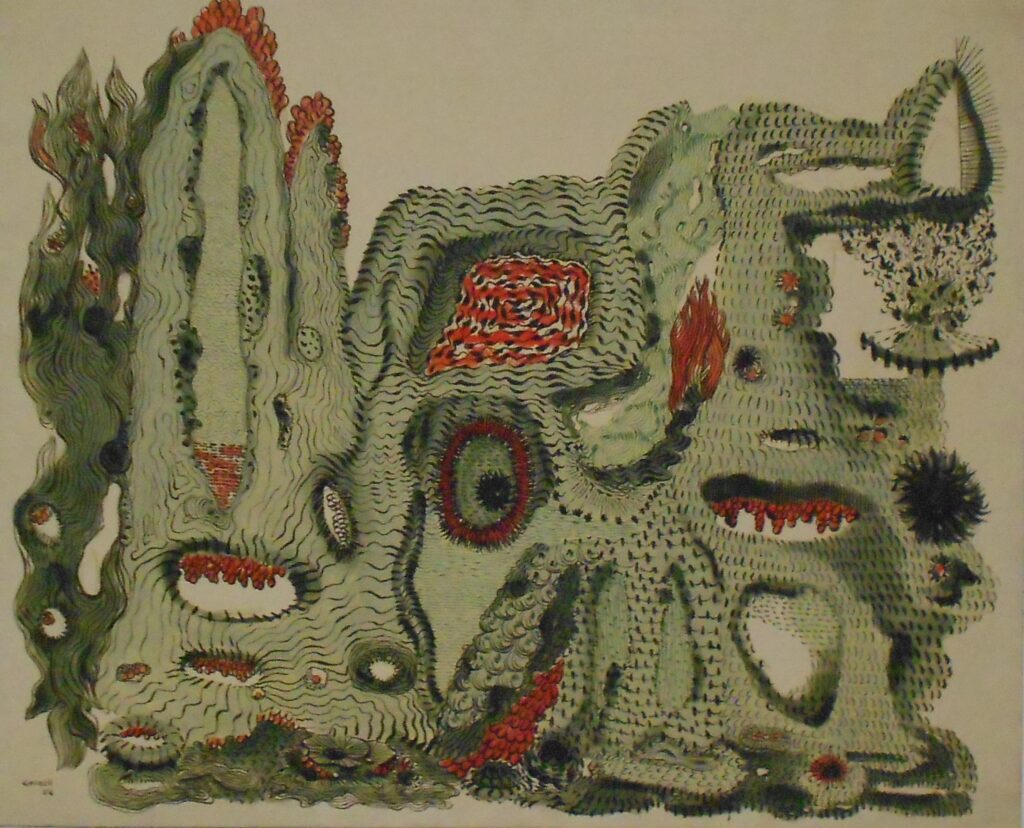
A painting by the Spanish artist Eugenio Granell serves as an excellent example of a case where context is needed for understanding. The work in a surrealistic style depicts a battle that refers to his experiences during the Spanish Civil War. Without additional information about the painter’s experiences, few people would be able to figure out and understand what is depicted in the painting.
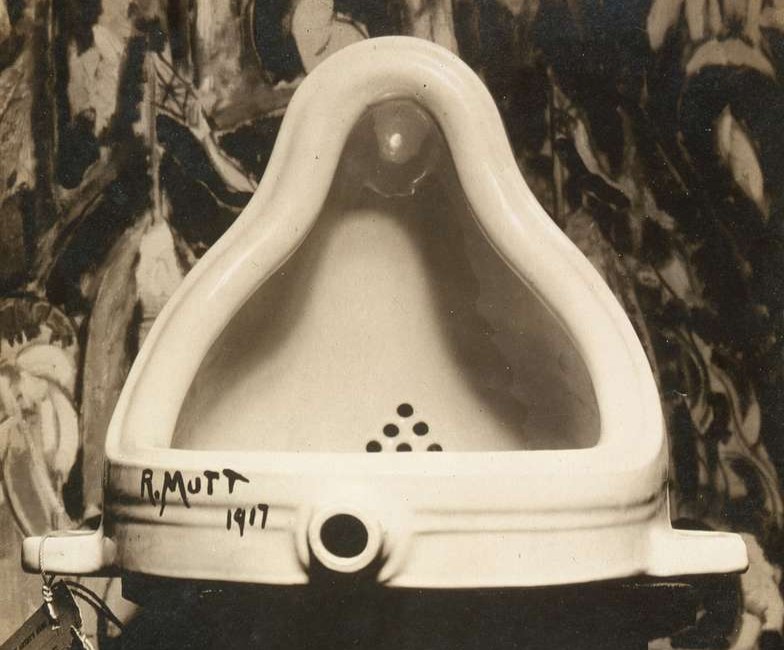
For the modern viewer, there are no discernible limits on form or means of expression, which is why contemporary art often sparks controversy. A prime example of this shift—and the revolution in how art itself is perceived—is the work of Marcel Duchamp, specifically his piece Fountain. It remains one of the most famous yet scandalous artworks ever exhibited. The work was exhibited in 1917 at the Society of Independent Artists show in New York, sparking shock while simultaneously igniting a broad discussion about the essence of art. Duchamp’s Fountain is, in fact, a urinal that the artist purchased and signed. In doing so, he pioneered conceptual art and established a completely new aesthetic.