Will AI replace art?
To answer the question posed in the title—”Will AI replace art?”—one must delve into the nature of human artistic creation and the development of generative artificial intelligence in order to understand its impact on contemporary art. For this purpose, I have created the following webpages to provide the essential information that will make it easier to understand my final conclusion.
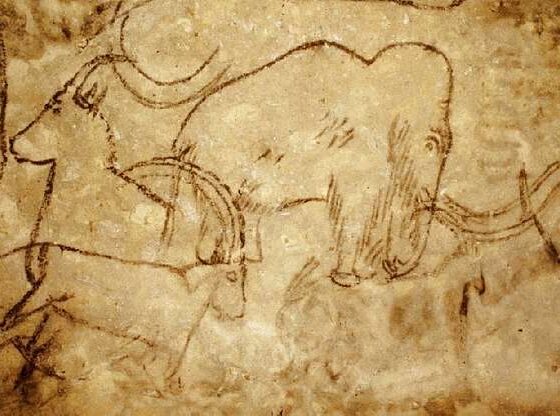
Art emerged alongside the development of human civilization and has constantly surrounded us ever since; however, its definition and significance in our lives are fluid—there is no precise or fixed definition of what art is. That is why it is important and necessary to understand the earlier purposes of art—to learn why people began to create, why it was significant to them, and whether they created for the same reasons we do today—so that we can apply and translate this knowledge into the context of contemporary art history.
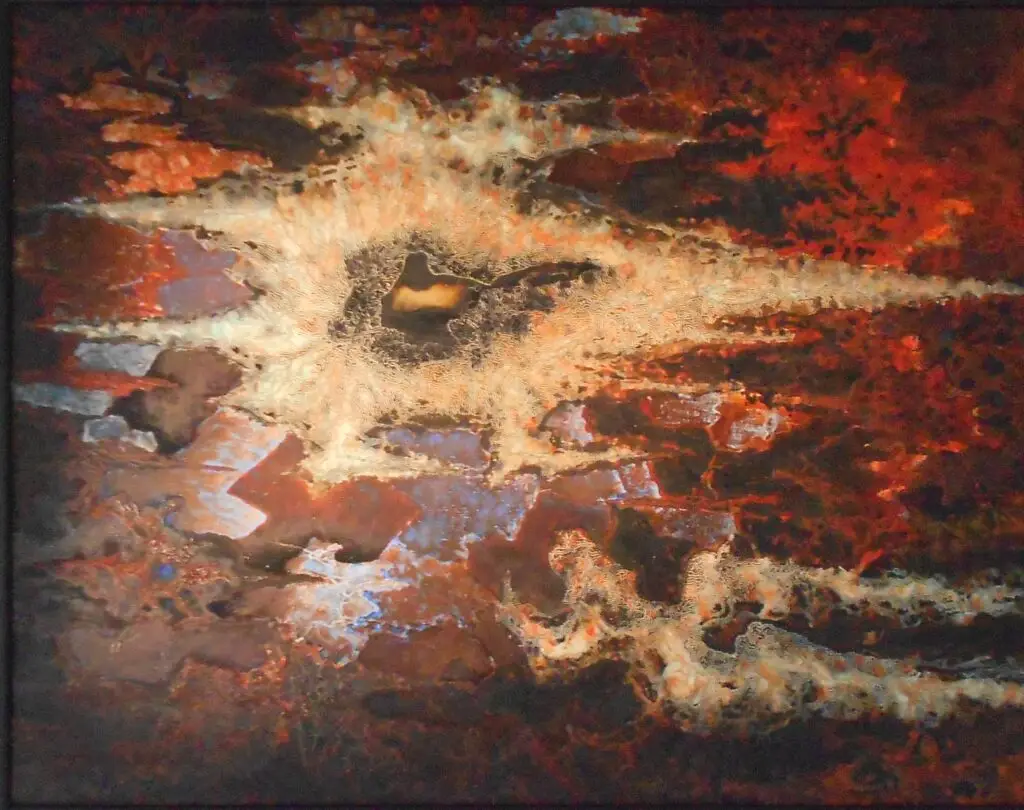
An art form—and what we convey through it—evolves alongside human needs. As we learned in an earlier post, in prehistoric times it served purposes such as communication and passing knowledge to younger generations; in the Middle Ages, it was primarily linked to religion; whereas today, we most often use art to express our emotions and experiences. The emergence of modern art movements and the shift away from depicting solely realistic subject matter in many cases spark controversy among people who do not engage with art on a daily basis, prompting the question of whether contemporary art still qualifies as art.
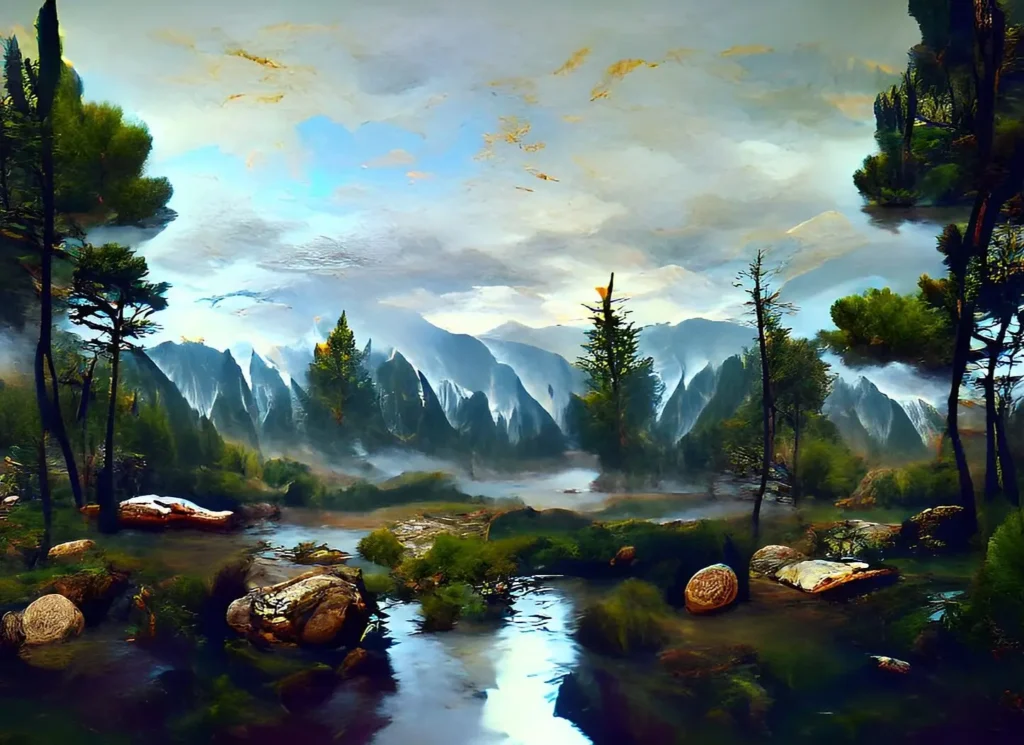
Now that we have gained a preliminary understanding of art, its evolution, and how its purpose in people’s lives has changed over the centuries, we can delve into the impact of new technologies on it. It is indisputable that the rapid development of generative AI and its accessibility to the public are impacting art; therefore, this is a topic we will address in this post.
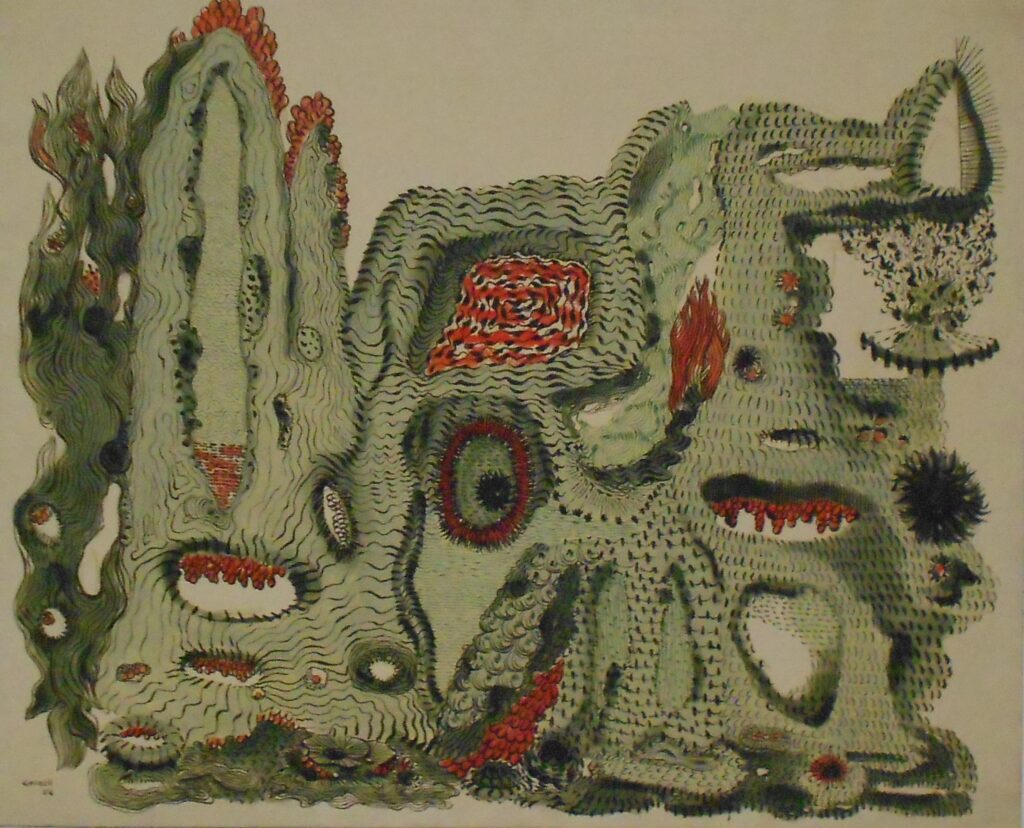
Having explored the brief history of art, its evolution, the controversies surrounding what does and does not constitute art, and the impact of generative artificial intelligence on the field, I believe each of us is capable of answering this question for ourselves. Therefore, in this post, I will share only my own opinion, as everyone holds a different perspective on these matters.