The impact of generative AI on art
This shift is significant because generative AI is not merely a tool for automating routine tasks; it is encroaching upon areas previously considered the exclusive domain of humans—such as storytelling, design, and conceptualization. This is precisely why it has had such a profound impact on the art world. In certain respects, it can be highly useful. One of its greatest strengths lies in visualization: an author can visualize a cover concept or a character’s appearance, helping the artist better grasp the idea. In this sense, generative AI can facilitate communication, as not everything can be conveyed through words alone. It also accelerates the initial conceptualization phase, enables rapid experimentation, and allows non-artists to articulate their aesthetic preferences more clearly.
However, the negative consequences of using generative AI represent a broader issue—one that is frequently raised by artists. A primary concern is that generative AI could undermine the position of creative professionals. When a machine can generate dozens of visually polished images in minutes, clients may view human labor as prohibitively expensive. This alters expectations across the entire creative industry, leading to demands for faster, cheaper project delivery. Artists are thus forced to compete not only with other people but also with systems capable of mimicking diverse styles, creating endless variations, and generating enough content to satisfy short-term market demand. The result is not merely competition, but the potential devaluation of creative work itself. The effort, years of study, patience, and sensitivity that go into human art may come to be seen as less significant, given that a machine can create something resembling a finished work.
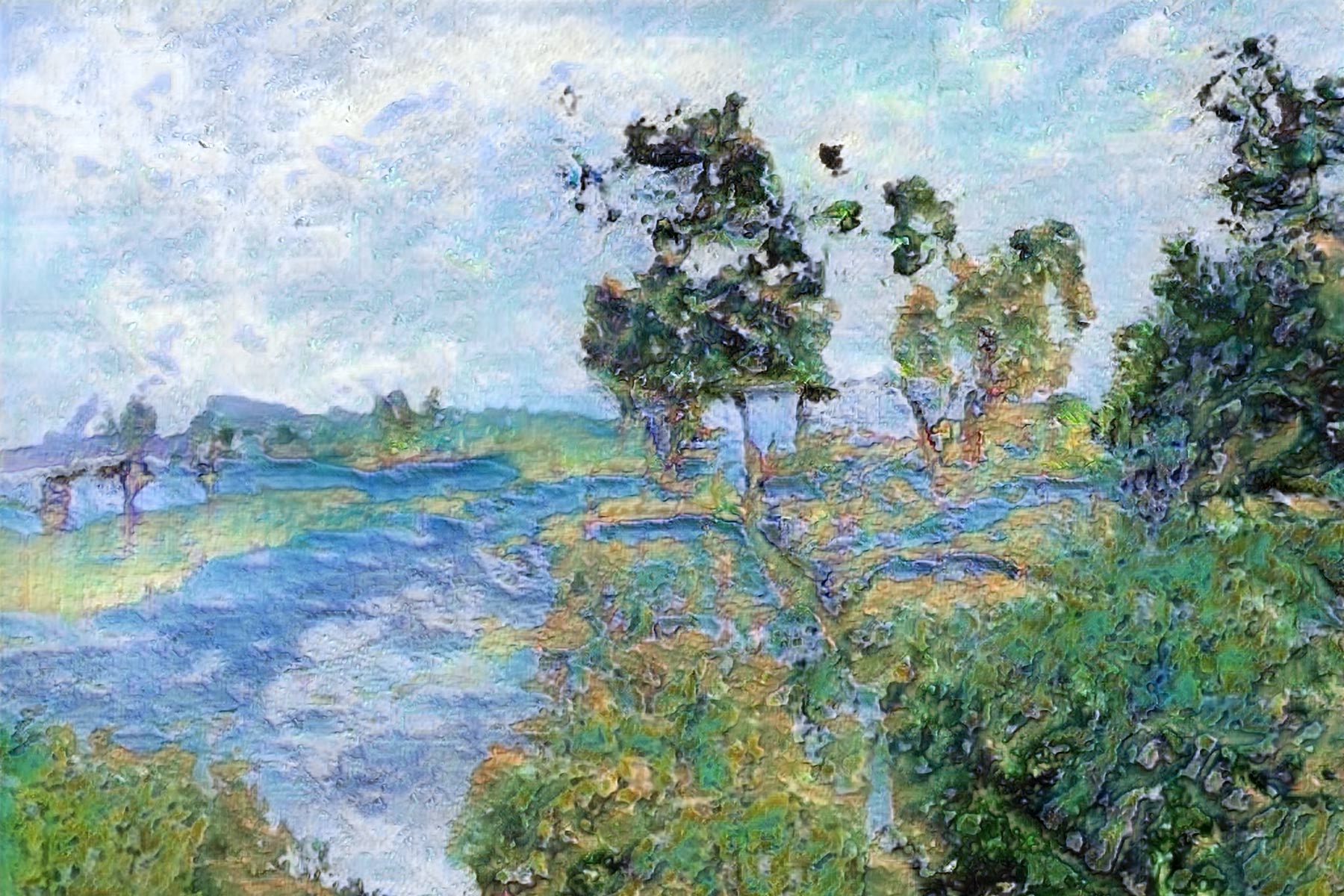
This image, generated entirely by generative AI, clearly demonstrates how the technology attempts to replicate an artist’s unique style. It strongly resembles the works of Claude Monet, showcasing just how advanced AI is at imitation.
Another issue is that generative AI can blur the line between inspiration and imitation. Artists have long drawn upon existing works, analyzing them and often deriving insights from them. However, generative AI can mimic styles with striking effectiveness, a trend that particularly affects artists with unique styles. This fosters a culture where the superficial characteristics of art can be replicated without the accompanying emotional depth. This does not mean the final result lacks value, but its significance changes. A viewer might look at a work that appears fully expressive, all the while knowing that no human poured a part of themselves or their experiences into its creation. For many, this weakens the emotional bond between the art and the viewer, making it harder to believe that the work represents an authentic vision.
There is also the problem of oversaturation. Because generative AI can produce vast amounts of content, it prioritizes abundance over selectivity. This can lead to a creative landscape flooded with images, stories, and designs that are visually competent yet emotionally shallow. When almost anything can be generated instantly, novelty itself loses its value. This makes it difficult to identify truly exceptional works and can encourage a culture of constant content generation rather than deep artistic development. Human-created art often bears the marks of limitations: the passage of time, hesitation, revisions, struggles, and personal risk. Artificial intelligence, by contrast, can simulate craftsmanship very effectively, yet technical proficiency alone is not synonymous with depth. As AI-generated content becomes widespread, there is a risk that people will grow accustomed to a creative landscape that is indeed more polished, yet devoid of depth.
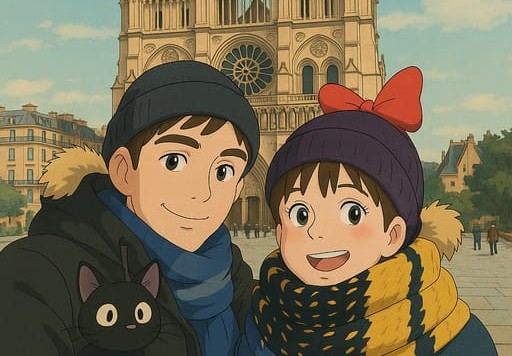
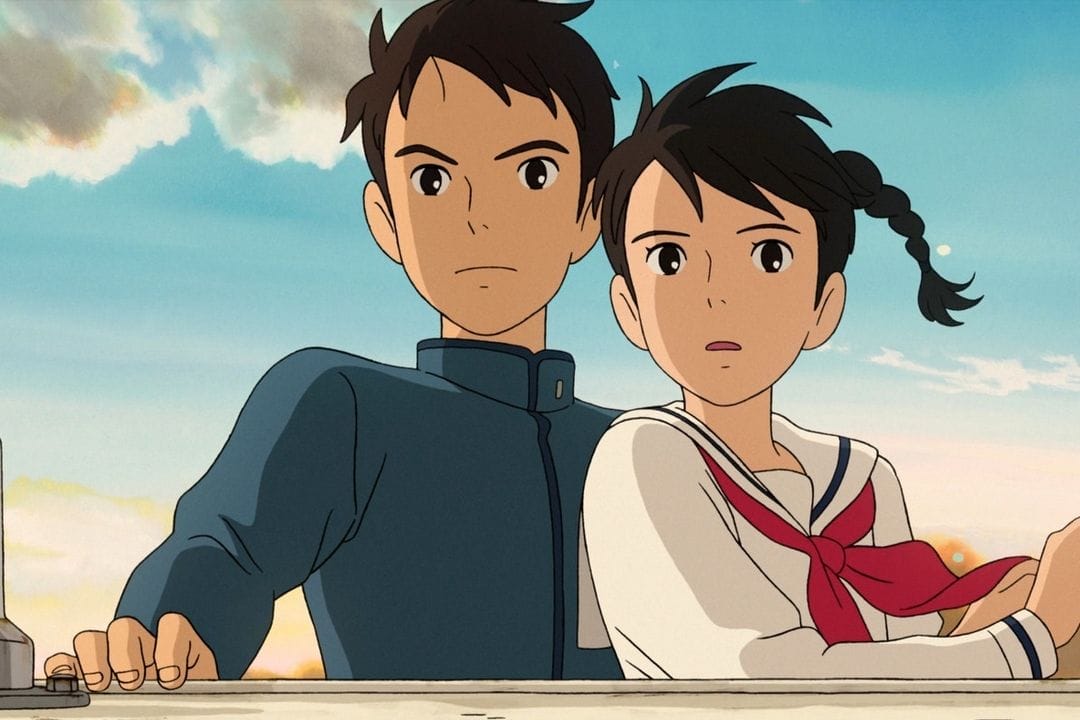
One of the best examples of generative AI models adopting an artist’s unique style was a 2024 trend where people used ChatGPT to transform their photos into the style of drawings by Studio Ghibli, a Japanese animation studio. Above, I have included a comparison of an image generated by ChatGPT (on the left) and an original frame from an animated film (on the right).